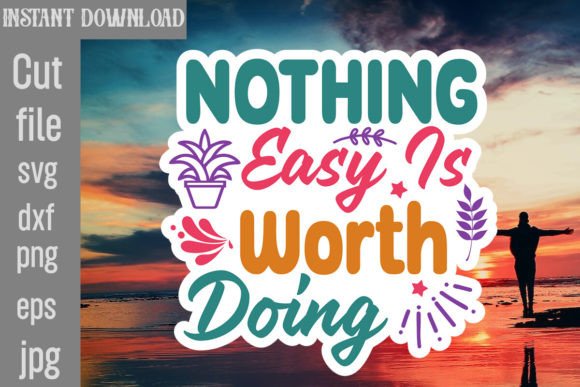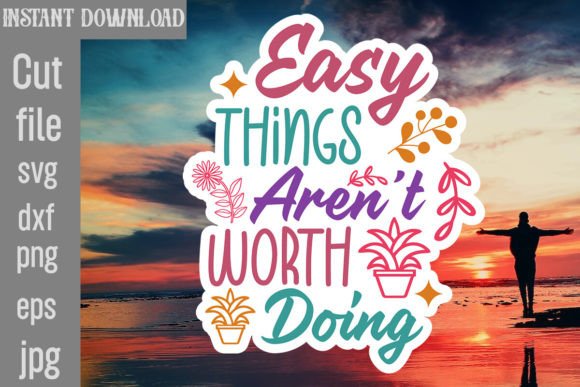
Easy Things Aren't Worth Doing SVG Cut F
As a designer and embroidery product reviewer, I’ve seen my fair share of digital files that promise the world but deliver little. The Easy Things Aren’t Worth Doing SVG Cut F is one that caught my attention not just for its name, but for what it could bring to real-world projects. This design has a certain simplicity that might seem unimpressive at first glance, but when paired with the right application, it can become a valuable addition to any craft business or handmade shop.
The First Impression
From the moment I opened the Easy Things Aren’t Worth Doing SVG Cut F, I was struck by its clean, minimalist aesthetic. The layout is straightforward, with a central motif that’s easy to read and visually appealing. It doesn’t scream for attention, but it doesn’t need to. The design feels like it belongs on something personal, like a custom embroidered tote bag or a baby onesie. The theme is subtle, almost philosophical, which makes it versatile for different occasions and audiences.
The shape and detail level are modest, making it ideal for smaller projects where intricate work isn’t necessary. It’s not a design that demands a lot from the machine or the fabric—it’s more about being functional and elegant. That kind of balance is rare, and it makes this machine embroidery design stand out in a sea of overly complicated files.
Real-World Embroidery Performance
When I tested Easy Things Aren’t Worth Doing SVG Cut F on a few different fabrics, I found it performed well on most standard materials. It worked great on cotton t-shirts, sweatshirts, and even lightweight denim. The stitch density wasn’t too heavy, which helped prevent puckering on thinner or stretchy fabrics. However, I did notice that on darker fabrics, the contrast wasn’t as strong as I would have liked. For those cases, a lighter thread color would be essential.
This design also showed promise for applique design work. The clean lines made it easy to cut out and sew onto a base fabric, and the overall size was manageable for most hoop sizes. I wouldn’t recommend using it on very small hoops, though—there’s not enough space to maintain the integrity of the design without cropping or distorting parts of it.
For custom apparel or personalized gifts, this file is a solid choice. It’s simple enough to be used on a variety of items, from tote bags to aprons, and its minimal nature allows it to blend well with other elements. It’s not the kind of design that will overwhelm a project, but it adds a thoughtful touch that can elevate a basic item into something more meaningful.
Where to Use With Caution
While Easy Things Aren’t Worth Doing SVG Cut F is versatile, there are some situations where it might not be the best fit. On textured or thick fabrics, the design can look a bit flat, especially if the stitch density isn’t adjusted properly. For embroidery on caps or other curved surfaces, the design might require some tweaking to ensure it sits correctly on the curve without distortion.
It also isn’t ideal for projects that involve a lot of movement or frequent washing. If you’re planning to use this on a child’s clothing or a frequently used item, consider reinforcing the stitches or using a stabilizer to help the design hold up over time. Tiny lettering or detailed corners might not come through clearly, so it’s worth testing the design on scrap fabric before committing to a final product.
Impact on Visual Appeal and Customer Perception
One of the things I appreciate most about Easy Things Aren’t Worth Doing SVG Cut F is how it contributes to the overall visual appeal of a finished product. Its simplicity gives it a timeless quality that can work well in both modern and traditional settings. When used on a handmade product or personalized gift, it adds a sense of thoughtfulness that customers often appreciate.
From a commercial embroidery perspective, this design could be a good fit for small businesses looking to offer affordable, high-quality options. It’s not too flashy, which makes it suitable for a wide range of clients. For Etsy sellers or craft fair vendors, it could serve as a reliable staple in their inventory, especially for items like tote bag designs or sweatshirt embroidery.
That said, the design’s understated nature means it may not be the best choice for projects that require a strong visual statement. If you’re aiming for something bold or eye-catching, this might not be the right fit. But for those who value subtlety and elegance, it could be exactly what they’re looking for.
Practical Designer Notes
Before using Easy Things Aren’t Worth Doing SVG Cut F in a client project or for sale, I recommend doing a few key checks. First, test the design on scrap fabric to see how it looks in different lighting and fabric types. Then, make sure the thread colors contrast well with the background. If you're working with dark fabrics, a white or light-colored thread might be necessary to make the design pop.
Review the stitch density to ensure it’s appropriate for the fabric you’re using. If the design is too dense, it could cause puckering or stiffness. Also, check the hoop size to make sure the entire design fits comfortably without being cropped or distorted.
For digital product sellers, it’s important to confirm the licensing terms before offering the design for sale. While the product description mentions a digital download, it doesn’t specify whether commercial use is allowed. Always double-check the terms to avoid any legal issues down the line.
Final Thoughts
Easy Things Aren’t Worth Doing SVG Cut F isn’t a design that will blow anyone away with complexity or detail. But it’s not meant to. It’s a practical, no-nonsense file that works well in a variety of real-world applications. Whether you're creating personalized gifts, small shop merchandise, or printable mockups, this design has the potential to add value to your work without requiring a lot of extra effort.
As with any embroidery file, it’s important to approach it with a clear understanding of its strengths and limitations. If you’re looking for something that’s easy to use and adaptable, this could be a good option. Just remember to test it thoroughly and consider the context in which it will be used.